 general
 The Future of Logistics: Emerging Technologies Transforming Supply Chains
How IoT, AI, blockchain, automation, and modern architecture patterns are reshaping logistics and enhancing supply chain efficiency in the digital age.
++
Introduction
The logistics industry is undergoing a transformative shift driven by rapid technological advancements. With increasing global trade complexities, heightened customer expectations for faster and more transparent services, and the imperative for real-time data, businesses must adopt cutting-edge technologies to remain competitive. This comprehensive guide delves into the emerging technologies revolutionizing logistics, offering in-depth technical insights, practical applications, challenges, and strategic considerations for implementation.

1. Advanced Shipment Tracking Systems
Real-Time Visibility and Transparency
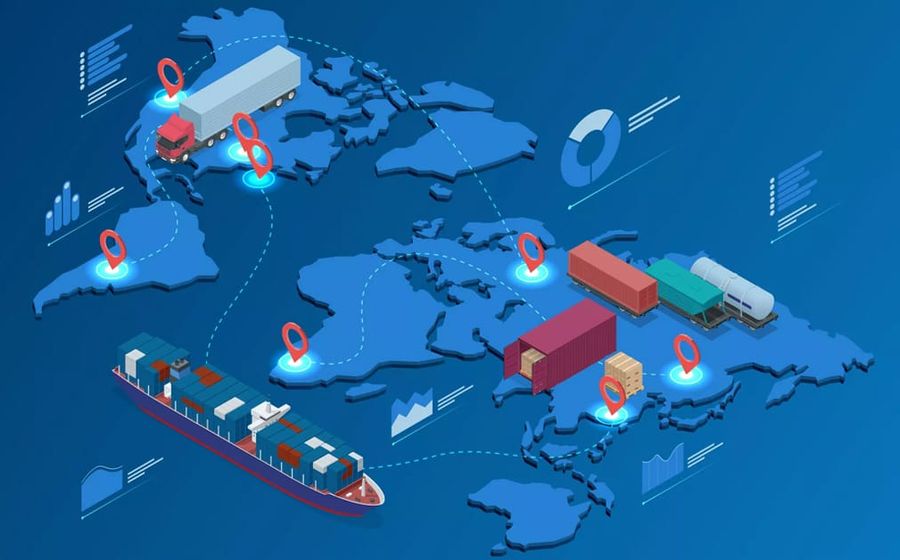
Modern shipment tracking leverages Global Positioning Systems (GPS), Geofencing, and Real-Time Location Systems (RTLS) to provide precise tracking information. Technical Implementation: - GPS Integration: Embedding GPS modules in vehicles for continuous location updates. - Geofencing: Establishing virtual perimeters using coordinate data to trigger alerts upon entry or exit. - RTLS: Utilizing technologies like Wi-Fi, RFID, or Ultra-Wideband (UWB) for indoor asset tracking in warehouses. API Protocols Used in Integration: - RESTful APIs: Facilitate communication between tracking devices and backend servers. - MQTT (Message Queuing Telemetry Transport): Lightweight messaging protocol ideal for IoT devices with limited bandwidth. - Webhooks: Enable real-time data push notifications to client applications without constant polling. Benefits: - Enhanced Customer Experience: Accurate delivery times improve trust and satisfaction. - Operational Efficiency: Real-time data allows dynamic route adjustments based on traffic or weather conditions. Challenges: - Data Volume Management: Handling and storing large amounts of tracking data from thousands of simultaneous shipments. - Integration with Legacy Systems: Ensuring compatibility with existing ERP and WMS infrastructure.
2. Internet of Things (IoT) and RFID Technology
Connecting the Supply Chain
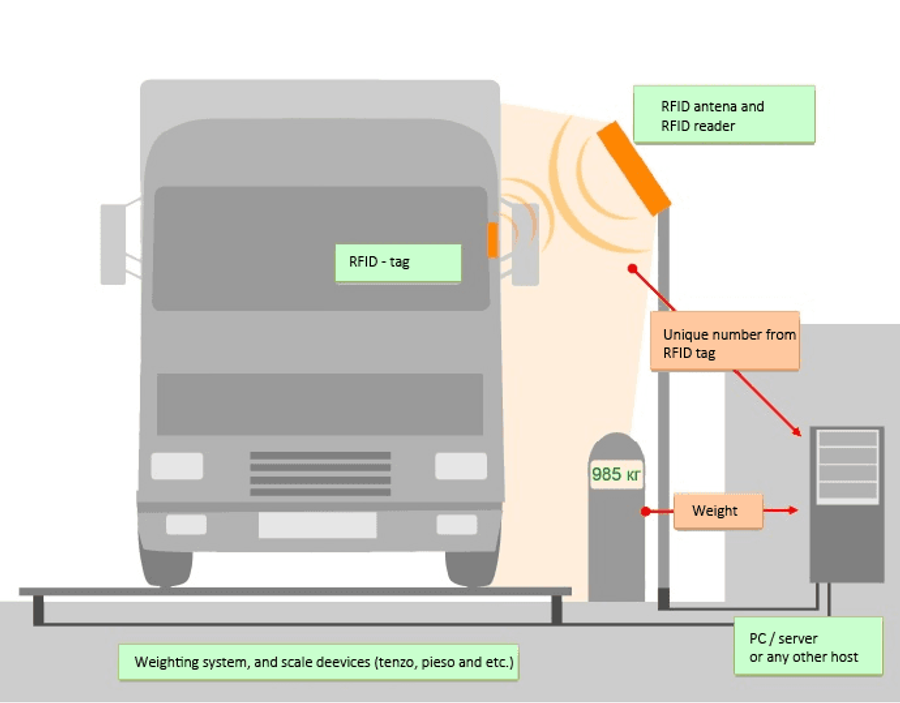
IoT devices and Radio-Frequency Identification (RFID) tags are integral for monitoring goods throughout the supply chain. Technical Implementation: Sensor Types and Protocols: - Environmental Sensors: Temperature (PT100, thermocouples), humidity (capacitive sensors), shock (accelerometers). - Communication Protocols — Short-Range: Bluetooth Low Energy (BLE), Zigbee. - Communication Protocols — Long-Range: LoRaWAN, Narrowband IoT (NB-IoT). - Communication Protocols — Cellular: LTE-M, 5G networks for wide coverage. Edge Processing: - Local data aggregation and preliminary analysis at the device level. - Protocol translation to ensure compatibility with backend systems. - Real-time analytics for immediate decision-making without cloud round-trips. Challenges: - Interoperability: Ensuring seamless communication between diverse devices from different manufacturers. - Data Management: Handling vast data volumes generated continuously by IoT sensors. - Security: Protecting sensitive data transmitted over various networks against interception.
3. Artificial Intelligence and Machine Learning
Predictive Analytics and Optimization
AI and ML algorithms analyze large datasets to optimize logistics operations across every dimension. Technical Implementation: Demand Forecasting Models: - Time Series Analysis: Using ARIMA models for capturing trends and seasonality in historical demand data. - Machine Learning Algorithms: Random Forests, Gradient Boosting Machines (GBM) for complex non-linear patterns. Route Optimization Algorithms: - Dijkstra's Algorithm: For shortest path calculation in static road networks. - Genetic Algorithms: For solving complex, multi-variable optimization problems with many constraints. - Ant Colony Optimization: Mimicking ant foraging behavior for dynamic path optimization. Case Study — Retailer Implementation: - ML-driven forecasting reduced inventory costs by 18%. - Improved stock availability by 12%. Challenges: - Data Quality: High-quality, clean data is crucial for accurate predictions — garbage in, garbage out. - Expertise Required: Need for data scientists and ML engineers to build, maintain, and monitor models. - Algorithm Bias: Ensuring models do not perpetuate or amplify existing biases present in historical data.
4. Automation and Robotics in Warehousing
Streamlining Operations
Automation technologies like Automated Guided Vehicles (AGVs) and Robotic Process Automation (RPA) are revolutionizing warehouse operations. Technical Implementation: AGVs: - Navigation Systems: Laser-guided, magnetic tape, and vision-based navigation using LIDAR sensors. - Safety Measures: Collision avoidance sensors, emergency stop mechanisms, safety zones. Automated Sorting Systems: - Barcode Scanners and OCR: For automatic package identification and routing on conveyor lines. - Conveyor Systems: Integrated with Warehouse Management Systems (WMS) for real-time orchestration. - Robotic Arms: For picking and placing items with high precision and speed. Integration Challenges: - System Compatibility: Integrating robots with existing WMS and ERP systems without disrupting operations. - Scalability: Designing systems that can grow with business needs without requiring full replacement. - Workforce Adaptation: Training staff to work alongside automation and manage robotic systems effectively.

5. Mobile Applications and Platforms
Enhancing Communication and Accessibility
Mobile technology ensures seamless communication among all stakeholders in the logistics chain. Technical Implementation: Client-Side Implementation: - State Management: Utilizing Redux or MobX for predictable state changes across complex app states. - Offline Capabilities: Implementing local databases like SQLite or Realm for operation without internet connectivity. - Push Notifications: Using Firebase Cloud Messaging or Apple Push Notification Service for real-time alerts. API Integration: - GraphQL: For efficient data querying — fetching only what is needed, nothing more. - WebSockets: For true bidirectional real-time data exchange between client and server. - Authentication: Implementing JWT tokens and OAuth 2.0 for secure, stateless sessions. Performance Optimization: - Caching Strategies: To reduce data usage and dramatically improve perceived speed. - Background Processing: Handling sync tasks without impacting the foreground user experience. - Battery Optimization: Minimizing power consumption through efficient coding practices and smart polling intervals. Challenges: - Device Fragmentation: Ensuring compatibility across hundreds of device models and OS versions. - Security: Protecting sensitive logistics data through encryption and secure coding practices at every layer. - User Experience: Designing intuitive interfaces that genuinely enhance driver and warehouse staff productivity.
6. Blockchain Technology
Securing and Simplifying Transactions
Blockchain offers a decentralized ledger enhancing security, transparency, and trust across the supply chain. Technical Implementation: Network Architectures: - Private Blockchains: Restricted networks for internal company use, offering control and privacy. - Consortium Blockchains: Shared among a defined group of organizations, balancing openness and control. - Public Blockchains: Open networks like Ethereum for fully transparent, trustless transactions. Consensus Mechanisms: - Practical Byzantine Fault Tolerance (PBFT): Suitable for permissioned enterprise networks. - Proof of Authority (PoA): Highly efficient for private networks where validators are known and trusted. - Proof of Stake (PoS): Energy-efficient alternative to Proof of Work for broader blockchain networks. Smart Contracts: - Frameworks: Solidity for Ethereum, Chaincode for Hyperledger Fabric. - Testing Tools: Truffle Suite, Hyperledger Composer for development and thorough testing. - Security Audits: Using tools like MythX or Oyente to detect vulnerabilities before production deployment. Industry Use Cases: - Walmart's Food Traceability: Enhanced tracking of produce from farm to shelf using IBM's Food Trust blockchain — trace time reduced from days to seconds. - DHL's Verification System: Blockchain-based serialization to prevent counterfeit pharmaceuticals from entering the supply chain. - Port of Rotterdam: Utilizing blockchain for secure digital documentation and efficient customs processing at scale. Challenges: - Scalability: Limited transaction throughput compared to traditional centralized databases. - Integration: Complexity in integrating blockchain solutions with existing legacy enterprise systems. - Regulatory Compliance: Navigating varying legal requirements and data residency laws across jurisdictions.
7. Data Governance in Logistics
Ensuring Data Quality and Compliance
Effective data governance is essential for managing information assets responsibly and extracting maximum business value. Framework Components: 1. Data Classification: - Sensitive Data: Personal Identifiable Information (PII), financial records, employee data. - Operational Data: Inventory levels, shipment details, route performance metrics. 2. Data Lifecycle Management: - Collection: Establishing clear protocols for data acquisition from all sources. - Retention Policies: Defining data storage durations based on legal and business requirements. - Archival and Deletion: Secure methods for data archiving and disposal to minimize risk. 3. Compliance Requirements: - GDPR: For all operations involving EU citizens' personal data. - CCPA: California Consumer Privacy Act for US-based operations. - Industry Regulations: E.g., DSCSA for pharmaceutical supply chains. Implementation Strategies: - Data Stewardship: Assigning dedicated roles for data oversight, quality control, and accountability. - Policies and Procedures: Documenting all data handling practices, access controls, and escalation procedures. - Audit Trails: Maintaining comprehensive logs of all data access, modifications, and transfers for full accountability. Challenges: - Cultural Change: Encouraging data ownership and responsibility as a shared value among all staff at every level. - Resource Allocation: Investing in the right tools, processes, and personnel for effective ongoing governance.
8. System Architecture and Scalability
Building Robust Infrastructure
A scalable and resilient system architecture is crucial for handling growth and ensuring continuous reliability. Database Optimization and Scaling: Sharding Strategies: - Horizontal Sharding: Distributing data across multiple database instances. - Range-Based Sharding: Partitioning data based on value ranges (e.g., date ranges, geographic region). - Hash-Based Sharding: Using consistent hashing algorithms for even, predictable distribution. - Directory-Based Sharding: Utilizing lookup tables to dynamically track shard locations. Partitioning Methods: - List Partitioning: Based on predefined lists of values (e.g., country codes, product categories). - Range Partitioning: Particularly suitable for time-series operational data like shipment logs. - Composite Partitioning: Combining multiple partitioning strategies for complex, high-volume datasets. Replication: - Master-Slave Configuration: For read scalability across geographies. - Multi-Master Setup: For high availability and write scalability at the cost of complexity. - Conflict Resolution: Strategies for managing eventual consistency in distributed data models. Load Balancing: - Application Layer: Using NGINX or HAProxy for intelligent HTTP request distribution. - Container Orchestration: Kubernetes for automated management of containerized microservices at scale. - Geographic Distribution: Implementing CDNs and global server load balancing for low-latency worldwide access. Monitoring and Observability Tools: - Metrics Collection: Prometheus for time-series metrics with configurable alerting rules. - Logging: ELK Stack (Elasticsearch, Logstash, Kibana) for centralized, searchable log aggregation. - Tracing: Jaeger or Zipkin for distributed tracing across microservices boundaries. - Alerting: Integration with PagerDuty or Opsgenie for intelligent incident routing and on-call management.
9. Network Infrastructure
Designing Efficient and Secure Networks
Optimizing network architecture enhances performance, security, and overall reliability of logistics systems. Edge Computing: - Local Processing: Reduces latency and bandwidth costs by processing data at the source rather than the cloud. - Edge Nodes: Strategic deployment of edge infrastructure for IoT devices, warehouse scanners, and vehicle gateways. - Latency Optimization: Critical for real-time applications like autonomous vehicle control and warehouse robotics. Security Zones: - Demilitarized Zone (DMZ): Separates public-facing services from sensitive internal networks. - Network Segmentation: Dividing networks into isolated segments to contain and limit breach blast radius. - VPN Architecture: Secure encrypted remote access for field employees and trusted external partners. Failover and Redundancy: - Active-Active vs. Active-Passive Setups: Choosing the right configuration based on cost versus availability requirements. - Geographic Redundancy: Data replication across multiple geographically distributed data centers. - Disaster Recovery Procedures: 1. Recovery Point Objective (RPO): Maximum tolerable period of data loss before business impact becomes unacceptable. 2. Recovery Time Objective (RTO): Target time to fully restore IT and business operations after a failure event.
10. Cache Management Strategies
Optimizing Performance
Effective caching dramatically reduces load on databases and improves application response times. Cache Layers: 1. Application Cache: - In-Memory Caching: Using Redis or Memcached for sub-millisecond data access. - Cache-Aside Pattern: Application logic explicitly manages when to read from and populate the cache. - Write-Through vs. Write-Behind: Strategies for keeping cache synchronized with the underlying database. 2. CDN Caching: - Edge Caching: Storing static and semi-static content geographically closer to end users. - Cache Invalidation Methods: Ensuring users always receive updated content when underlying data changes. - Content Versioning: Using unique hashes or version identifiers for assets to manage cache busting. Invalidation Strategies: - Time-Based Expiration: Setting TTL (Time-To-Live) values appropriate to data freshness requirements. - Event-Driven Invalidation: Automatically clearing relevant cache entries upon underlying data changes. - Cache Stampede Prevention: Implementing locks or probabilistic early expiration to prevent thundering herd problems. Challenges: - Cache Consistency: Ensuring data remains accurate across cache layers and the source of truth. - Cache Overhead: Managing memory usage and potential performance impacts from large cache datasets.
11. Continuous Integration and Deployment (CI/CD)
Streamlining Development and Deployment
CI/CD pipelines automate the software release process, dramatically enhancing both reliability and deployment speed. Pipeline Components: 1. Version Control: - Branching Strategies: GitFlow for release management or trunk-based development for continuous delivery. - Code Reviews: Mandatory pull request workflows with automated code quality and style checks. - Branch Protection: Enforcing policies to prevent direct pushes to main production branches. 2. Build Process: - Automated Builds: Using tools like Jenkins, Travis CI, or CircleCI triggered automatically on every commit. - Dependency Management: Automated scanning and updating of library dependencies for security vulnerabilities. - Artifact Versioning: Tracking all build artifacts with unique identifiers for full traceability. 3. Testing Phases: - Unit Testing: Validating individual functions and components in complete isolation. - Integration Testing: Ensuring components interact correctly across all service boundaries. - End-to-End Testing: Testing complete user journeys from start to finish in a production-like environment. - Load Testing: Assessing system performance and stability under peak production-like stress conditions. 4. Deployment: - Blue-Green Deployment: Running two identical production environments for zero-downtime releases. - Canary Releases: Gradually rolling out changes to a small percentage of users before full production release. - Rollback Procedures: Automated reversion to previous stable versions upon failed health checks. - Feature Flags: Enabling or disabling specific features at runtime without deploying new code. Challenges: - Complexity Management: Orchestrating multiple environments, stages, and approval workflows. - Security: Protecting credentials and sensitive configuration data in all pipeline stages. - Infrastructure as Code: Managing infrastructure configurations programmatically using tools like Terraform.
12. System Reliability and Fault Tolerance
Ensuring Continuous Operations
Building robust systems requires layered error handling and proven fault tolerance mechanisms. Error Management: Application Level: - Circuit Breakers: Preventing cascade failures by stopping calls to failing downstream services. - Retry Policies: Handling transient errors gracefully with exponential backoff and jitter. - Fallback Mechanisms: Providing degraded but functional alternative responses during partial system outages. Infrastructure Level: - Health Checks: Continuously monitoring service health with automated remediation triggers. - Auto-Scaling: Dynamically adjusting compute resources based on real-time demand signals. - Service Mesh Implementation: Using Istio for advanced traffic management, mTLS security, and observability. Monitoring and Alerting: - Error Rate Thresholds: Defining acceptable error rate SLOs and alerting before SLAs are breached. - Performance Metrics: Tracking the four golden signals — latency, traffic, errors, and saturation. - Capacity Planning: Data-driven forecasting of future resource needs based on historical growth trends.
13. Comprehensive Testing Methodologies
Ensuring Quality and Reliability
A robust testing strategy is essential for delivering high-quality, reliable logistics software. Test Types: 1. Functional Testing: - Unit Tests: Verifying individual components and functions behave as specified. - Integration Tests: Ensuring all components interact correctly when composed together. - System Tests: Testing the entire application as a whole against functional requirements. - User Acceptance Testing (UAT): Validating the system meets real business user requirements. 2. Non-Functional Testing: - Performance Testing: Assessing speed, stability, and scalability under various load conditions. - Security Testing: Proactively identifying vulnerabilities including all OWASP Top 10 categories. - Reliability Testing: Ensuring system stability under failure conditions (chaos engineering approach). - Compliance Testing: Verifying adherence to industry regulations and data protection laws. 3. Specialized Testing: - IoT Device Testing: Validating sensor data accuracy and communication protocol compliance. - Mobile App Testing: Ensuring full functionality across the target range of devices and OS versions. - API Contract Testing: Verifying API interactions meet published specifications and backward compatibility. - Blockchain Smart Contract Testing: Ensuring correctness, security, and gas efficiency of all contracts. Testing Tools: - Unit Testing: JUnit, pytest, Mocha — depending on the technology stack. - Automation Testing: Selenium for web UIs, Appium for mobile applications. - Load Testing: JMeter for distributed load generation, k6 for developer-friendly scripting. - Security Testing: OWASP ZAP and Burp Suite for comprehensive vulnerability scanning.
14. Incident Management and Response
Maintaining Operational Continuity
Effective incident management minimizes the business impact of failures and accelerates recovery. Response Procedures: 1. Detection: - Monitoring Tools: Real-time alerts from Prometheus, Datadog, or New Relic. - Anomaly Detection: ML-based identification of unusual patterns before they escalate to full incidents. 2. Classification: - Severity Levels: Clearly defined impact tiers (P1 critical, P2 high, P3 medium, P4 low). - Impact Assessment: Rapid evaluation of affected services, customers, and SLA implications. - Escalation Matrix: Documented on-call rotations and escalation paths for each severity level. 3. Resolution: - Runbooks: Pre-written step-by-step guides for all common and anticipated incident types. - Communication Protocols: Status page updates and stakeholder notifications at defined intervals. - Collaboration Tools: War rooms via Slack or Microsoft Teams with relevant teams automatically pulled in. 4. Post-Incident: - Root Cause Analysis (RCA): Blameless post-mortems identifying the true underlying technical cause. - Corrective Actions: Documented action items with owners and deadlines to prevent recurrence. - Documentation Updates: Updating runbooks and procedures based on lessons learned from each incident. Challenges: - Coordination: Managing cross-team communication efficiently during high-stress incidents. - Time Sensitivity: Rapid and decisive response is critical to minimizing customer and business impact. - Continuous Improvement: Systematically learning from every incident to enhance overall system resilience.
15. Cost Analysis and Optimization
Balancing Investment and Efficiency
Understanding and actively managing infrastructure costs is crucial for sustainable, profitable operations. Infrastructure Costs: - Compute Resources: Per-instance or per-vCPU costs for virtual machines and containers. - Storage: Per-gigabyte charges for object storage, block storage, and managed database instances. - Network Transfer: Data egress fees for traffic leaving cloud regions or flowing to the internet. - Licensing Fees: Costs for proprietary database, middleware, and analytics software licenses. Optimization Strategies: 1. Resource Right-Sizing: - Utilization Monitoring: Identifying over-provisioned resources that are consistently wasting money. - Auto-Scaling Policies: Dynamically scaling resources to match actual demand curves. - Reserved Instances: Committing to 1-3 year terms for predictable workloads to achieve 40-60% savings. 2. Cost Allocation: - Tagging Resources: Mandatory cost tags for tracking spend by team, product, and environment. - Chargeback Models: Allocating actual cloud costs back to responsible business units. - ROI Calculations: Regularly evaluating return on all technology investments at business reviews. 3. Optimization Tools: - Cloud Cost Analyzers: AWS Cost Explorer, Azure Cost Management, Google Cloud Billing for spend visibility. - Resource Utilization Monitors: Third-party tools like CloudHealth for cross-cloud optimization recommendations. - Waste Identification: Automated detection of idle instances, unattached volumes, and orphaned resources. Challenges: - Predicting Costs: Variability in cloud usage patterns can significantly complicate budget forecasting. - Balancing Performance and Cost: Ensuring cost savings initiatives do not degrade service quality or reliability.
16. Modern Architecture Patterns
Adopting Contemporary Solutions
Embracing modern architectural practices enhances agility, scalability, and long-term maintainability. Containerization: - Docker: Packaging applications and all dependencies into portable, immutable containers. - Kubernetes: Industry-standard orchestration for container deployment, auto-scaling, and self-healing. - Service Mesh: - Traffic Control: Fine-grained management of how requests are routed between services. - Security: Automatic mTLS encryption for all service-to-service communication. - Observability: Deep telemetry into every request flowing through the distributed system. Microservices Architecture: Service Boundaries: - Clear domain-driven design principles defining responsibilities and data ownership for each microservice. Inter-Service Communication: - Synchronous: RESTful APIs and gRPC for request-response patterns requiring immediate answers. - Asynchronous: Messaging systems like RabbitMQ and Apache Kafka for event-driven, decoupled workflows. API Gateway Patterns: - Functionality: Centralized request routing, protocol translation, auth enforcement, and rate limiting. - Tools: Kong, AWS API Gateway, or NGINX Plus for production-grade enterprise API management. Event-Driven Architecture: - Benefits: Loose coupling between services, high scalability, and natural resilience to individual service failures. - Implementation: Using event streaming platforms like Apache Kafka for durable, replayable event pipelines. Challenges: - Complexity Management: Distributed systems introduce significantly more operational complexity than monoliths. - Distributed Systems Issues: Handling network latency, partial failures, and eventual consistency gracefully. - Operational Overhead: Requires sophisticated monitoring, tracing, and alerting infrastructure to operate reliably.
17. Decision Framework for Technology Adoption
Making Informed Choices
Implementing new logistics technologies requires rigorous strategic planning and objective, data-driven analysis. Framework Steps: 1. Assess Needs: - Identify specific operational challenges and strategic objectives with measurable impact. - Engage all key stakeholders across IT, operations, finance, and customer success. 2. Research Solutions: - Evaluate technologies and vendors using structured RFP processes with consistent scoring criteria. - Consider scalability, total cost of ownership, compatibility with existing systems, and vendor support quality. 3. Pilot Programs: - Implement controlled small-scale tests with clear, pre-defined success criteria and exit criteria. - Collect quantitative performance data and document integration challenges before committing to full rollout. 4. Cost-Benefit Analysis: - Calculate Total Cost of Ownership (TCO) and ROI including all hidden and indirect costs. - Assess both quantitative financial benefits and qualitative strategic advantages (competitive positioning). 5. Implementation Planning: - Develop detailed project plans with milestones, dependencies, and realistic contingencies. - Allocate resources explicitly — people, budget, time — and set achievable timelines with adequate buffer. 6. Continuous Evaluation: - Monitor KPIs post-implementation and compare rigorously against pre-defined baseline metrics. - Solicit structured feedback from frontline users and all stakeholders at regular intervals. Considerations: - Risk Management: Proactively identify all potential failure modes and develop specific mitigation plans for each. - Compliance: Ensure all technology choices adhere to applicable legal and regulatory requirements from day one. - Change Management: Invest in organizational readiness — long-term technology success depends entirely on people adoption.
18. Conclusion
The logistics industry is at the cusp of a technological revolution. By thoughtfully integrating advanced technologies like IoT, AI, blockchain, and modern architectural practices, businesses can achieve significant improvements in efficiency, security, and customer satisfaction. Success in this endeavor requires not only technical expertise but also strategic planning, effective governance, and a culture of continuous improvement. At Mirage Metrics, we specialize in delivering advanced data analytics solutions tailored specifically for the logistics industry. Our expertise lies in transforming complex data into actionable insights that drive cost savings and operational efficiency. We partner with organizations to navigate the complexities of technological adoption, ensuring they remain competitive in an increasingly digital world. Client Testimonial: "Mirage Metrics didn't just provide us with data — they offered actionable insights that transformed our operations and significantly reduced costs. Their expertise was instrumental in our journey toward efficiency and profitability." — COO of Transwin.
19. Technical Glossary
- AES (Advanced Encryption Standard): A symmetric encryption algorithm widely used for secure data transmission. - ARIMA (AutoRegressive Integrated Moving Average): A statistical model used for time series forecasting. - CI/CD (Continuous Integration/Continuous Deployment): Practices enabling frequent and reliable automated code releases. - Docker: An open-source platform for automating application deployment in lightweight, portable containers. - gRPC: A high-performance, open-source framework for remote procedure calls using Protocol Buffers. - Istio: An open-source service mesh providing traffic management, security, and observability for microservices. - JWT (JSON Web Token): A compact, self-contained token format for securely transmitting information between parties. - Kubernetes: An open-source system for automating deployment, scaling, and management of containerized applications. - MQTT (Message Queuing Telemetry Transport): A lightweight pub-sub messaging protocol for IoT devices with constrained bandwidth. - mTLS (Mutual Transport Layer Security): An authentication method ensuring both client and server verify each other's identities. - OAuth 2.0: An authorization framework enabling third-party applications to obtain limited access to user accounts. - OWASP (Open Web Application Security Project): A nonprofit foundation producing open standards and tools for software security. - PoA (Proof of Authority): A consensus algorithm using approved validators, used in private enterprise blockchains. - PoS (Proof of Stake): An energy-efficient consensus mechanism where validators stake cryptocurrency as collateral. - RESTful API: An API adhering to the six principles of REST (Representational State Transfer) architectural style. - RPO (Recovery Point Objective): The maximum tolerable period of data loss measured in time. - RTO (Recovery Time Objective): The target time for restoring IT systems and business operations after a disruption. - Zero Trust Security Model: A security philosophy requiring continuous verification of every user and device regardless of network location.
MANUFACTURING
READY TO AUTOMATE?
Automate your order intake end-to-end
From email to ERP in seconds — no manual entry, no errors.

++
+

![Fuel Tracking Systems: The Ultimate Guide to Cutting Logistics Costs [2024 Edition]](https://cdn.sanity.io/images/uxovddcv/production/92bad20e3fde090444a81b7b32a07378d3799908-1024x768.jpg?w=600&auto=format&fit=crop)