 general
 Slash Logistics Costs by 20% with These 10 Data-Driven Strategies
Discover 10 powerful data-driven strategies to cut logistics costs by up to 20%. examples from FedEx, DHL, UPS, and Maersk with actionable steps.
++
Introduction
Did you know that inefficiencies in logistics can eat up to 30% of a company's revenue? In today's fast-paced market, relying on traditional methods is no longer sufficient. The logistics industry is evolving rapidly, with challenges ranging from volatil9++-e fuel prices and complex supply chains to stringent regulations and increased customer expectations. Advanced data analytics offers a solution, turning these challenges into opportunities for significant cost savings and efficiency gains. In 2023, logistics companies leveraging data analytics reduced operational costs by an average of 20%, outpacing competitors and gaining significant market share. This guide reveals 10 powerful data-driven strategies to significantly reduce your logistics costs — packed with real-world examples, expert insights, and actionable steps.
Meet Sarah: A Logistics Manager's Quest for Efficiency
Sarah Thompson, COO of a global freight company, was grappling with soaring operational costs and shrinking profit margins. Despite implementing industry best practices, the numbers just didn't add up. "We thought we were doing everything right, but our costs kept climbing, and we couldn't figure out why," Sarah recalls. Determined to find a solution, Sarah turned to advanced data analytics. What followed was a transformation that not only slashed costs but also positioned her company as an industry leader.
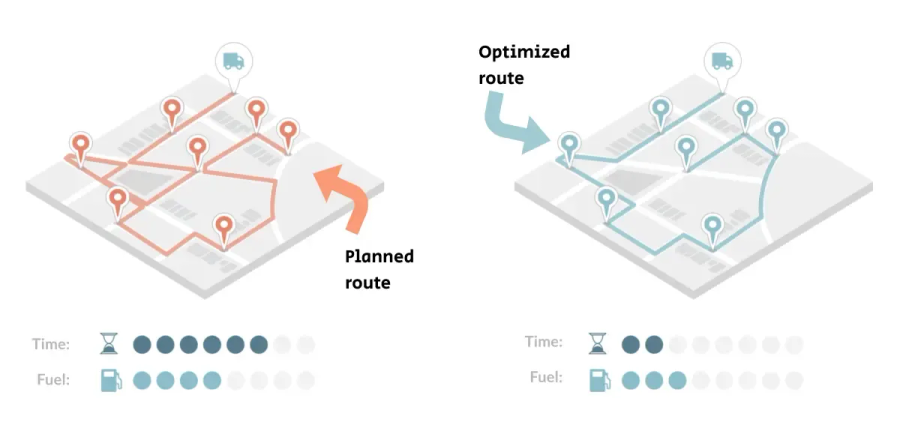
1. Optimizing Route Planning
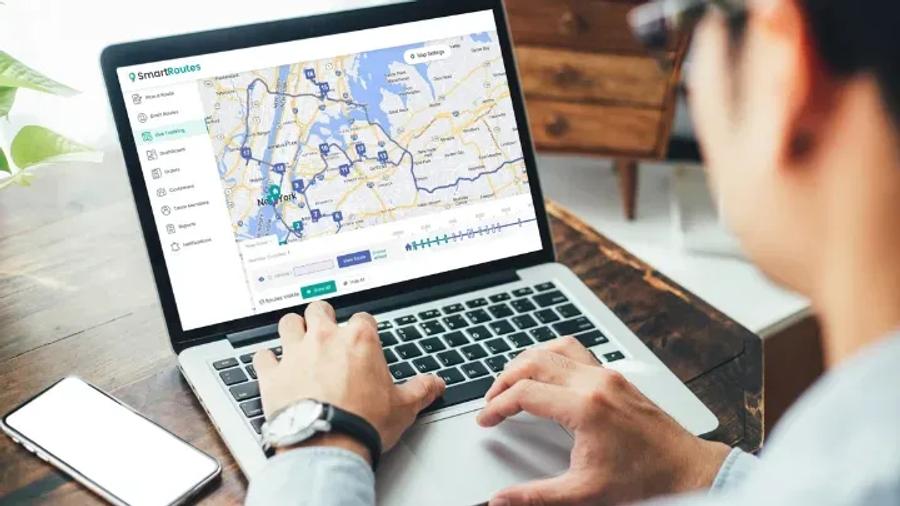
The Challenge: Inefficient routing leads to increased fuel consumption, longer delivery times, and higher operational costs. Data-Driven Solution: - Real-Time Traffic Analysis: Utilizing GPS and live traffic data to avoid congestion and delays. - Weather Forecast Integration: Adjusting routes based on predictive weather analytics. - AI-Powered Algorithms: Using machine learning to predict optimal routes by analyzing historical and real-time data. - Dynamic Route Adjustment: Adapting routes on-the-fly in response to unforeseen events. Results: - Cost Reduction: Up to 15% savings in fuel costs. - Improved Delivery Times: Enhanced punctuality, leading to increased customer satisfaction. - Environmental Impact: Reduced carbon footprint due to lower fuel consumption. Real-World Example: In 2023, FedEx implemented AI-driven route optimization, resulting in a 12% reduction in delivery times and significant fuel savings, amounting to $150 million in cost reductions.
2. Enhancing Fuel Efficiency
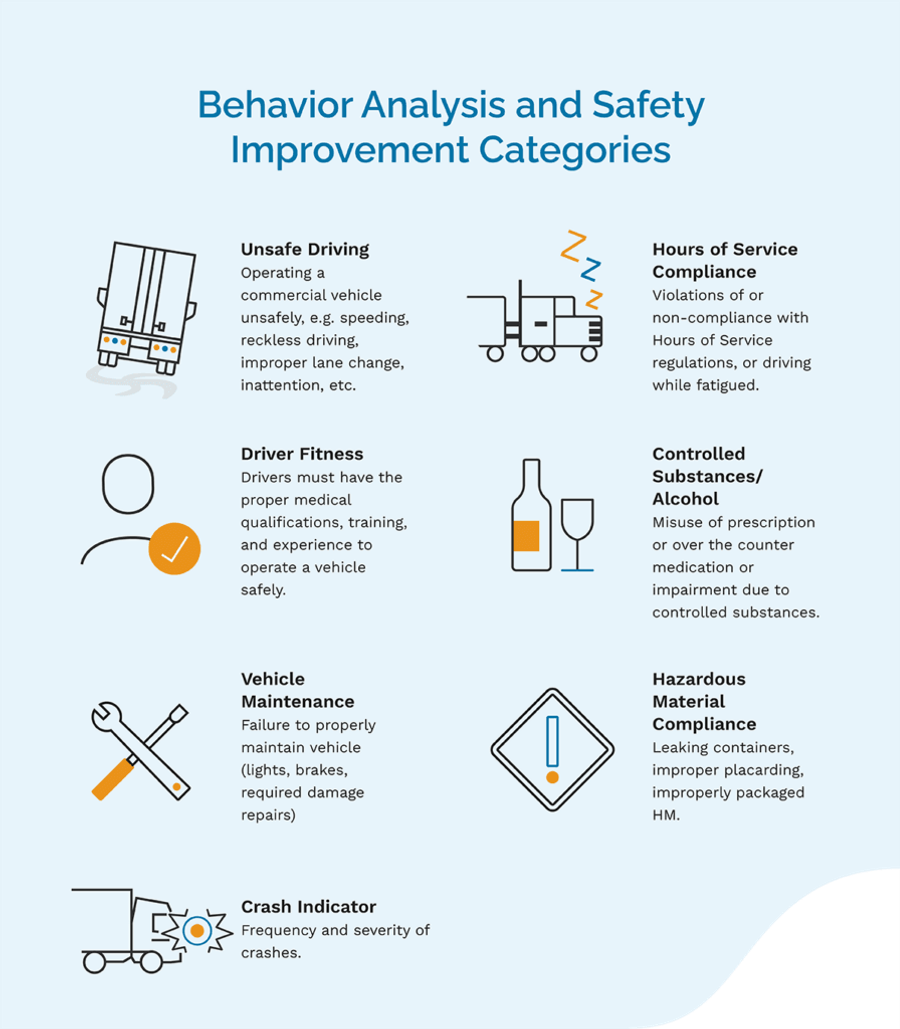
The Challenge: Fuel costs account for up to 30% of logistics expenses. Data-Driven Solution: - Driver Behavior Monitoring: Using telematics to identify habits like excessive idling, speeding, or harsh braking. - Vehicle Performance Analysis: Optimizing engine performance through regular data-driven maintenance. - Fuel Consumption Tracking: Real-time monitoring to detect anomalies and inefficiencies immediately. - Eco-Driving Training Programs: Educating drivers based on specific data insights from their own driving patterns. Results: - Fuel Savings: Companies can save up to 10% on fuel costs. - Sustainability: Reduced emissions contribute to corporate social responsibility goals. Real-World Example: In 2022, DHL used data analytics to optimize fuel efficiency, saving over $200 million and reducing carbon emissions by 15%.

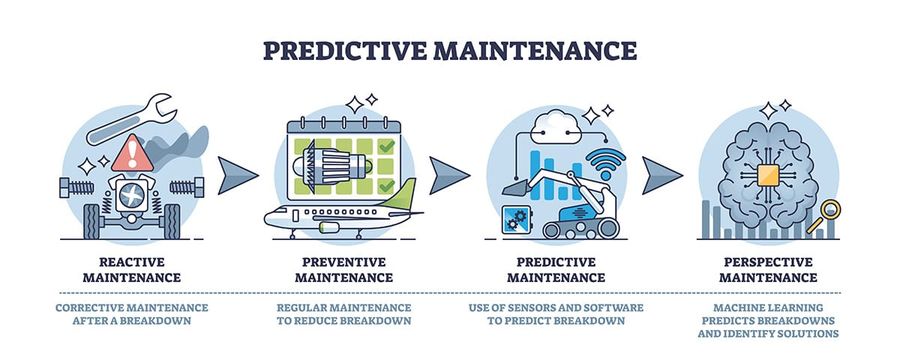
3. Predictive Maintenance
The Challenge: Unscheduled vehicle downtime leads to delays and increased repair costs. Data-Driven Solution: - IoT Sensor Data Collection: Monitoring engine health, tire pressure, brake systems, and more in real time. - Predictive Analytics Models: Anticipating maintenance needs before failures occur using ML algorithms. - Optimized Maintenance Scheduling: Minimizing disruptions by aligning maintenance windows with operational downtime. Results: - Cost Reduction: Maintenance costs reduced by up to 25%. - Increased Uptime: Vehicle availability improved by 20%. - Safety Improvement: Fewer breakdowns lead to safer operations for drivers and the public. Real-World Example: UPS implemented predictive maintenance across its fleet, cutting vehicle breakdowns by 60% and saving an estimated $100 million annually.
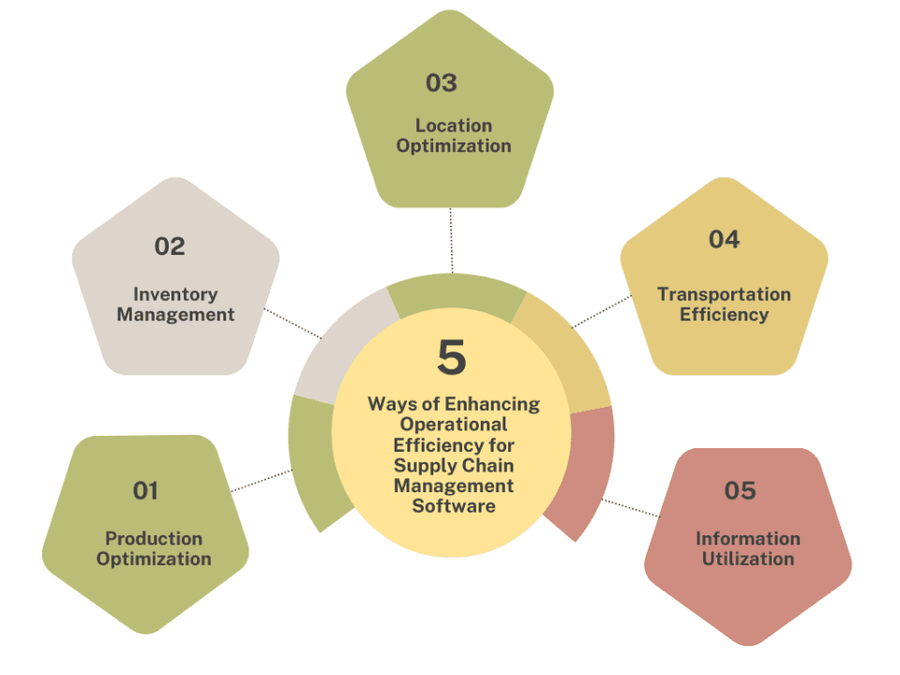
4. Inventory Management Optimization
The Challenge: Overstocking ties up capital and increases storage costs, while understocking leads to missed sales and dissatisfied customers. Data-Driven Solution: - Advanced Demand Forecasting: Using AI to predict demand based on historical data, market trends, and external factors. - Just-In-Time Inventory Systems: Aligning inventory levels closely with actual demand to reduce holding costs. - Warehouse Analytics: Optimizing storage layouts, picking paths, and inventory placement using operational data. - Automated Reordering: Setting data-driven thresholds for automatic stock replenishment. Results: - Inventory Costs: Reduction of holding costs by 25%. - Order Fulfillment: Improved accuracy and speed, enhancing customer satisfaction. - Capital Allocation: Freed-up capital can be reinvested in other strategic areas of the business. Real-World Example: Amazon employs sophisticated analytics for inventory management, reducing storage costs and achieving same-day delivery in many regions.

5. Reducing Operational Inefficiencies
The Challenge: Inefficiencies in processes lead to wasted time, resources, and increased costs that compound over time. Data-Driven Solution: - Process Mapping and Analysis: Identifying bottlenecks and redundancies through data visualization tools. - Automation Opportunities: Implementing AI and robotics in repetitive, low-value tasks. - Performance Metrics Tracking: Monitoring Key Performance Indicators (KPIs) continuously to assess operational efficiency. - Continuous Improvement Programs: Using data to drive Lean and Six Sigma initiatives with measurable outcomes. Results: - Cost Savings: Operational expenses reduced by 18%. - Productivity Increase: Enhanced throughput without requiring additional resources. - Employee Satisfaction: Automation of mundane tasks leads to higher job satisfaction and lower turnover. Real-World Example: In 2023, Maersk streamlined its operations using data analytics, saving over $120 million annually and increasing productivity by 15%.
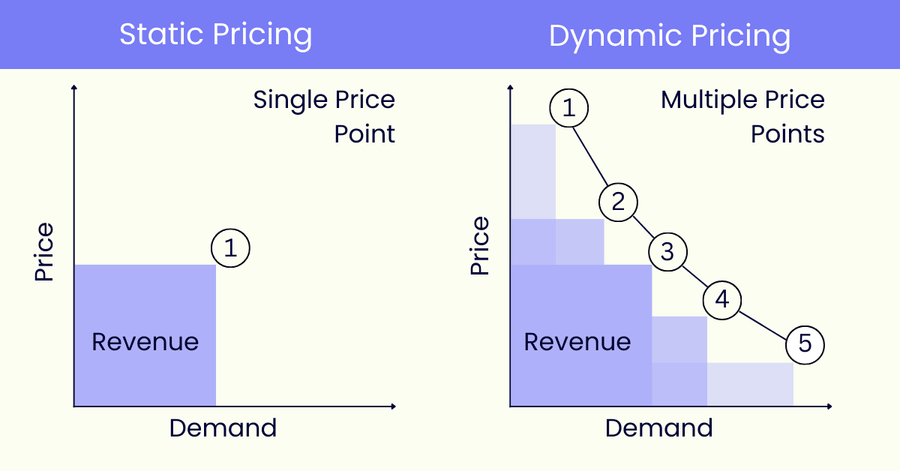
6. Dynamic Pricing Strategies
The Challenge: Static pricing models fail to maximize revenue in fluctuating, competitive markets. Data-Driven Solution: - Real-Time Market Analysis: Monitoring supply and demand trends continuously to adjust prices accordingly. - Competitive Intelligence: Tracking competitor pricing strategies using automated data collection tools. - Dynamic Pricing Algorithms: Adjusting prices in real time based on predictive analytics models. - Customer Segmentation: Offering personalized pricing tiers based on detailed customer profiles and history. Results: - Revenue Increase: Boost margins by up to 12%. - Customer Retention: Offering competitive and fair pricing enhances long-term loyalty. - Market Responsiveness: Ability to quickly and precisely adapt to market changes and competitor moves. Real-World Example: Uber Freight employs dynamic pricing, optimizing revenue while meeting customer needs, resulting in a 15% increase in profits in 2022.
7. Minimizing Empty Miles
The Challenge: Trucks returning empty after deliveries contribute to unnecessary costs and significant environmental impact. Data-Driven Solution: - Freight Matching Platforms: Using data to find backhaul opportunities and match loads with empty trucks in real time. - Network Optimization: Aligning routes and schedules across the fleet to minimize empty return runs. - Collaborative Logistics: Partnering with other companies to share transportation resources and capacity. - Predictive Demand Analysis: Anticipating where freight capacity will be needed next based on market signals. Results: - Cost Reduction: Decrease in transportation costs by 15%. - Environmental Benefits: Reduced fuel consumption lowers emissions significantly at scale. - Increased Revenue: Generating income on return trips that would otherwise run empty. Real-World Example: Convoy, a digital freight network, reduced empty miles by 50% using data analytics, saving carriers millions in fuel costs annually.
8. Workforce Management
The Challenge: Labor costs are a significant expense, and inefficient scheduling leads to overtime costs and employee burnout. Data-Driven Solution: - Advanced Scheduling Software: Aligning staffing levels precisely with predicted workload using AI-powered demand forecasting. - Performance Analytics: Identifying high-performing employees and areas requiring targeted training. - Shift Optimization: Creating schedules that maximize productivity and fully comply with labor regulations. - Employee Engagement Platforms: Using data insights to improve morale and proactively reduce costly turnover. Results: - Labor Cost Savings: Reduced overtime expenses by 12%. - Employee Satisfaction: Improved morale leads to a 20% reduction in turnover rates. - Enhanced Productivity: Better alignment of individual skills with specific tasks and shifts. Real-World Example: XPO Logistics optimized workforce management, increasing productivity by 8% and saving over $50 million in labor costs in 2023.

9. Enhancing Customer Satisfaction
The Challenge: Poor customer experiences lead to lost business, negative reviews, and damaged brand reputation. Data-Driven Solution: - Real-Time Delivery Tracking: Providing customers with live shipment updates and accurate estimated arrival times. - Feedback Analysis: Using Natural Language Processing (NLP) to understand customer sentiments from reviews and feedback forms at scale. - Service Personalization: Tailoring services based on individual customer preferences and purchase history. - Proactive Issue Resolution: Predicting and addressing potential delivery problems before they impact the customer. Results: - Customer Retention: Increased repeat business by 20%. - Reduced Costs: Lower customer acquisition costs due to higher loyalty and word-of-mouth referrals. - Brand Reputation: Positive reviews and scores lead directly to increased market share. Real-World Example: In 2023, DHL improved customer satisfaction scores by 25% using advanced analytics, leading to a 10% increase in new customer acquisitions.
10. Regulatory Compliance and Risk Management
The Challenge: Non-compliance leads to hefty fines, legal issues, and serious reputational damage. Data-Driven Solution: - Automated Compliance Monitoring: Tracking regulations across all jurisdictions and ensuring company adherence using AI. - Risk Analysis Models: Identifying potential areas of non-compliance and operational risks before they materialize. - Incident Prediction: Using analytics to prevent accidents and violations proactively. - Training Programs: Data-driven identification of specific training needs for staff based on performance and compliance gaps. Results: - Cost Avoidance: Saved millions in potential fines and legal fees. - Enhanced Reputation: Building trust with customers and partners by demonstrating consistent compliance. - Operational Continuity: Fewer disruptions due to legal issues or regulatory interventions. Real-World Example: Schneider National leveraged data analytics to maintain compliance, reducing violations by 35% and avoiding over $10 million in potential fines in 2022.
Expert Roundtable: Insights from Industry Leaders
Moderator: How has data analytics transformed cost management in logistics? Karen Jones, EVP at Ryder System: "Data analytics allows us to pinpoint inefficiencies we couldn't see before, leading to substantial cost savings and a competitive edge." Frank Appel, CEO of Deutsche Post DHL Group: "Integrating data analytics into our operations has been a game-changer, enhancing both efficiency and customer satisfaction in ways we never thought possible." Brad Jacobs, CEO of XPO Logistics: "Leveraging data isn't just about cutting costs — it's about creating value for our customers and staying ahead in a rapidly evolving market."
Think About It: Applying These Strategies to Your Business
- Which of these areas presents the biggest cost challenge for your company right now? - Do you currently collect the necessary data to implement these solutions? - What immediate steps can you take to begin leveraging data analytics this quarter? Identifying your unique challenges is the first step toward unlocking cost savings through data analytics.
Case Study: Transforming Operations with Mirage Metrics
Company: Transwin Logistics. Challenge: Rising operational costs were eroding margins, and inefficiencies plagued every level of the supply chain. Solution: Partnered with Mirage Metrics to implement a comprehensive data analytics platform tailored to their specific operations. Areas Addressed: - Route optimization across all fleet segments. - Predictive maintenance for 400+ vehicles. - Inventory management and demand forecasting. - Workforce optimization and shift planning. - Customer satisfaction enhancement and NLP feedback analysis. Results: - Cost Savings: Reduced operational costs by 22% within the first year. - Efficiency Gains: Improved delivery times by 18%. - Customer Satisfaction: Increased repeat business by 25%. - Return on Investment (ROI): Achieved a 300% ROI on the analytics platform investment. Testimonial: "Mirage Metrics didn't just provide us with data — they offered actionable insights that transformed our operations and significantly reduced costs. Their expertise was instrumental in our journey toward efficiency and profitability." — COO of Transwin.
Conclusion
In the competitive landscape of 2024, data analytics is no longer a luxury — it's a necessity for logistics companies aiming to reduce costs and stay ahead. By implementing the 10 strategies outlined in this guide, you can unlock significant savings, drive operational efficiency, and position your company for long-term success. The question isn't whether you should leverage data analytics — it's how soon you can start reaping the benefits.
MANUFACTURING
READY TO AUTOMATE?
Automate your order intake end-to-end
From email to ERP in seconds — no manual entry, no errors.

++
+

![Fuel Tracking Systems: The Ultimate Guide to Cutting Logistics Costs [2024 Edition]](https://cdn.sanity.io/images/uxovddcv/production/92bad20e3fde090444a81b7b32a07378d3799908-1024x768.jpg?w=600&auto=format&fit=crop)